
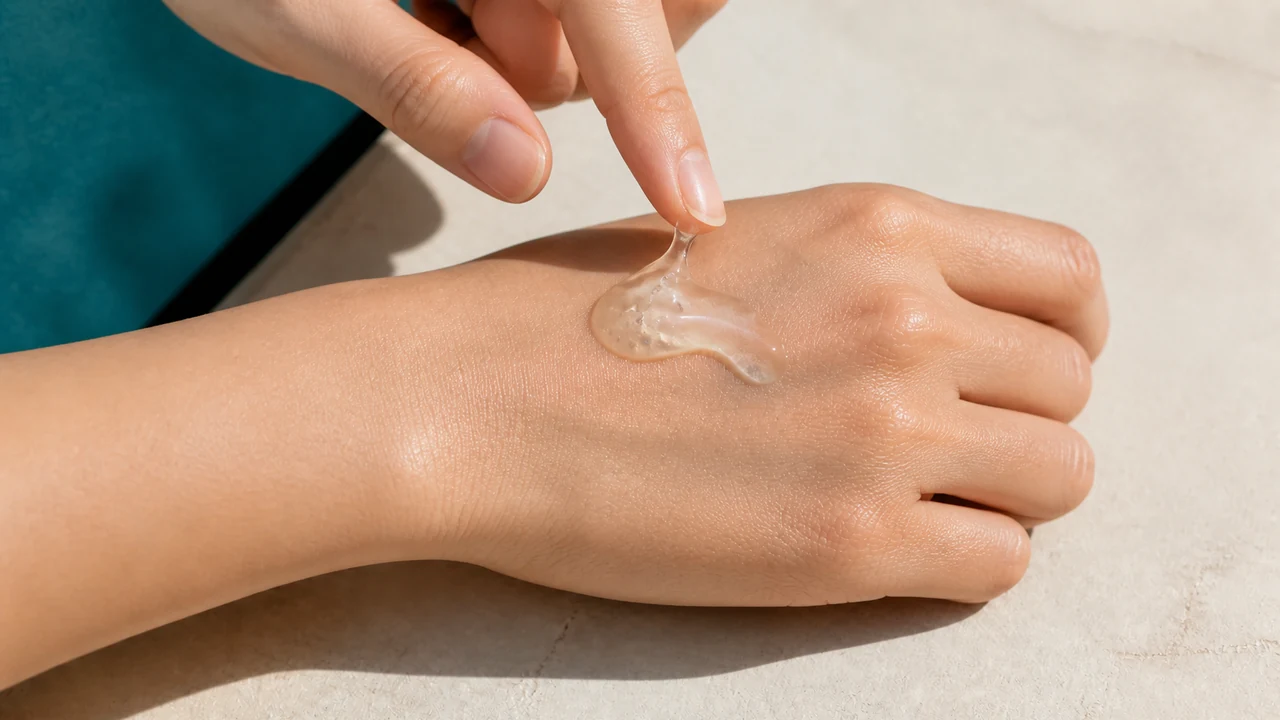
Editorial illustration: AI-generated imagery; any people or packaging shown are illustrative, not the reviewed product or evidence of results.
Routine decision guide
Quick answer
Dry skin usually describes a skin type that produces less oil, while “dehydrated skin” is a consumer term for skin that feels short of water. The two can overlap, and tightness, flaking, roughness, or temporary shine do not diagnose the cause. Start with the same low-risk foundation: gentle cleansing, moisturizer applied while skin is still slightly damp, and broad-spectrum sun protection. Then adjust texture and frequency according to comfort rather than chasing the label.
Key takeaways
- Do not treat dry and dehydrated as mutually exclusive diagnoses.
- Reduce harsh cleansing and unnecessary exfoliation before adding products.
- Choose moisturizer by the whole formula and finish, not one hero ingredient.
- Change one variable at a time and observe for several days.
- Persistent cracking, pain, bleeding, intense itch, or inflammation needs professional care.
Start with what you can observe
A lifelong tendency toward roughness and low oil may fit a dry-skin pattern. Tightness that appears after cleansing, travel, weather changes, overuse of actives, or a disrupted routine may point to a temporary water-loss problem. These clues guide a cosmetic routine; they do not distinguish eczema, contact dermatitis, infection, or another medical condition.
Record when discomfort appears. Note cleanser contact time, water temperature, exfoliant use, indoor heating, and whether moisturizer improves the feeling. A short record is more useful than adding three new serums at once.
A shared three-step baseline
1. Cleanse without stripping
Use lukewarm water and a mild cleanser where cleansing is needed. Long hot showers, vigorous scrubbing, and repeated washing can worsen dryness.
2. Moisturize promptly
Apply moisturizer after washing while the skin retains a little water. Lotions feel lighter; creams and ointment-like products are generally more occlusive. The best choice is the least irritating texture you will use consistently. Familiar components such as glycerin, ceramides, and petrolatum may be useful within well-designed formulas, but the ingredient name alone cannot predict performance.
3. Protect during the day
Use a broad-spectrum sunscreen suitable for your skin and reapply according to the label and exposure. Sun protection does not hydrate skin, but it prevents avoidable ultraviolet stress while you simplify the routine.
If oil is low and flaking persists
Favor a creamier moisturizer and consider applying it more than once daily. Cleanse only as much as necessary and avoid stacking exfoliating acids, scrubs, retinoids, and strong acne products without a clear reason. A hydrating layer is optional; it should not replace moisturizer if skin remains uncomfortable.
If tightness is recent
Pause the newest active products first. Return to cleanser, moisturizer, and sunscreen until skin feels stable. Reintroduce one product at a time at a lower frequency when directions allow. Multiple humectant layers can complicate the routine without resolving the trigger.
Evidence limits
Professional dry-skin guidance supports gentle cleansing, prompt moisturizing, and sun protection. It does not validate “dehydrated skin” as a clinical diagnosis or prove that one retail product treats disease. Climate, age, medication, procedures, allergies, and diagnosed conditions can change what is appropriate.
Medical boundary
Seek qualified care for severe itch, widespread rash, swelling, oozing, bleeding, painful cracks, infection signs, or symptoms that persist despite a simple routine. This is general cosmetic education, not diagnosis or treatment.