
Named PDRN serum comparison
Product information checked August 13, 2026.
Choose Genabelle when fragrance-free status, a disclosed 3% Sodium DNA figure, and a larger 40 ml format matter most. Choose Medicube when you prefer its lighter pink peptide-serum format and accept fragrance plus an undisclosed finished-product PDRN concentration. Neither finished product has comparative clinical evidence proving better results.
Affiliate disclosure: This page contains YesStyle affiliate links. K-Regen Lab may earn a commission at no added cost to you. Retailer availability does not determine our comparison.
Comparison at a glance
1. Genabelle PDRN 3% Hyper Boost Ampoule
- Best for: shoppers prioritizing fragrance-free status and clearer concentration disclosure.
- Main drawback: a front-label percentage does not establish superior skin results.
- Formula status: official formula record; Sodium DNA 30,000 ppm, panthenol, niacinamide, humectants, and peptides disclosed.
- Retailer status: verified YesStyle affiliate destination.
- Checked date: August 13, 2026.
2. Medicube PDRN Pink Peptide Serum
- Best for: shoppers who want a lightweight peptide-serum format and already tolerate fragranced skincare.
- Main drawback: fragrance is disclosed and the finished-product PDRN concentration is not stated in the official record reviewed.
- Formula status: official formula record; Sodium DNA appears eighth, with niacinamide, humectants, and peptide materials.
- Retailer status: verified YesStyle affiliate destination.
- Checked date: August 13, 2026.
Selection method
We compared the current official product records for formula disclosure, fragrance, format, size, and the limits of the claims available to a shopper. We did not convert an ingredient position or a marketing percentage into an effectiveness score. Popularity, star ratings, affiliate availability, and promotional discounts were excluded from the decision. Both products remain cosmetic serums, so evidence from injectable PDRN, wound-care materials, or a raw ingredient cannot be transferred automatically to either bottle.
The most important difference: disclosure
Genabelle states 30,000 ppm, or 3%, Sodium DNA for its 40 ml ampoule. That is unusually clear compared with products that only put PDRN language on the front label. The number is still not a head-to-head outcome. It does not reveal molecular distribution, delivery, stability over shelf life, or how much reaches a biological target. Its practical value is transparency: a buyer knows what concentration the brand says is present in the finished formula.
Medicube lists Sodium DNA eighth in the official ingredient record reviewed, but ingredient order is not a concentration certificate. Ingredients are generally listed in descending order until the applicable threshold, after which ordering rules allow more flexibility. The position supports that Sodium DNA is part of the formula; it does not let us calculate a percentage. Anyone comparing the two should treat Genabelle as the clearer disclosure, not as proven to deliver three or ten times the result.
Fragrance and routine fit
Genabelle is the more straightforward choice for a fragrance-screened routine because the reviewed official record supports a fragrance-free positioning. Medicube discloses fragrance. Fragrance does not make a formula universally bad, and fragrance-free does not guarantee comfort. The difference matters because it removes one decision variable for people who avoid scented leave-on products or who are simplifying a routine after irritation.
Both formulas combine Sodium DNA language with familiar cosmetic support ingredients. Genabelle includes panthenol, niacinamide, hyaluronic-acid materials, and peptides. Medicube pairs niacinamide and multiple humectants with peptide materials in a fluid serum base. Those ingredients can inform texture and routine placement, but a long ingredient list should not be read as a promise of stronger regeneration.
Texture, size, and layering
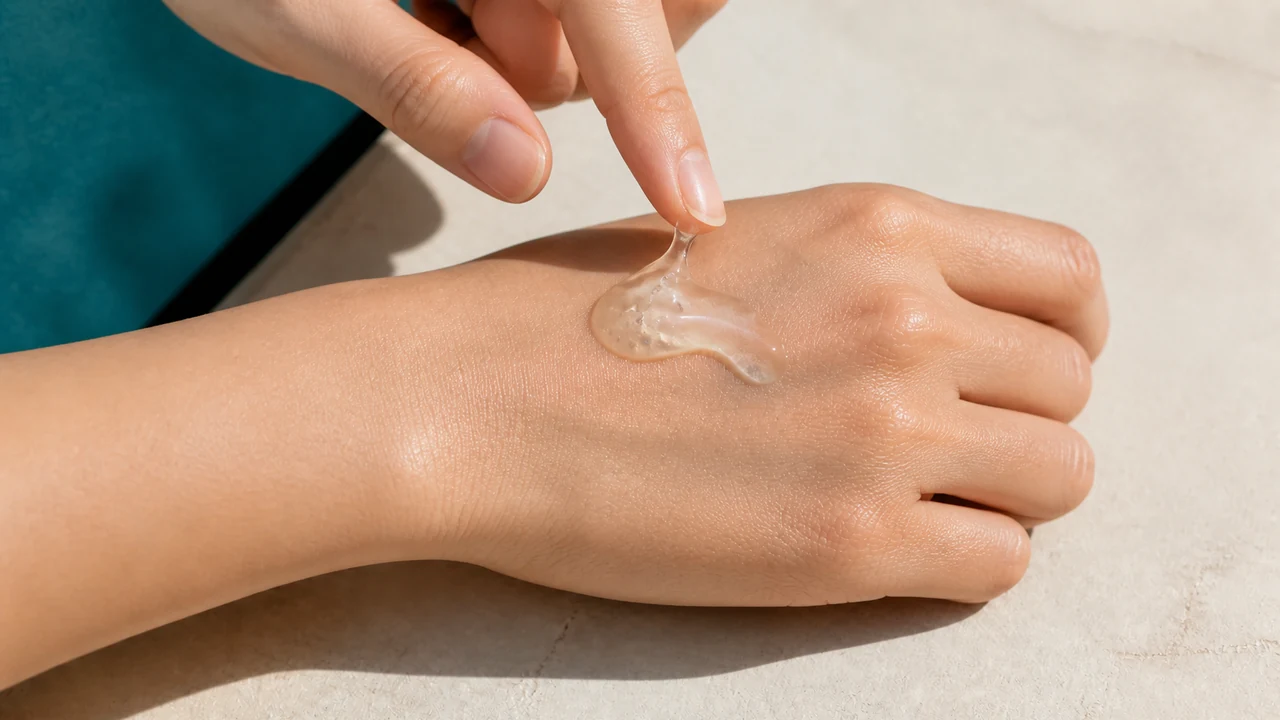
Genabelle’s 40 ml ampoule offers more product than Medicube’s 30 ml serum. Size matters for cost-per-use, although fluctuating retailer prices prevent a stable value conclusion. Apply either after cleansing and thinner hydrating steps, then seal with moisturizer when dry-feeling skin needs more emollience. Start with a small amount because several serum layers can pill under sunscreen even when each product works well alone.
People already using niacinamide or peptide serums should check for redundancy. Adding another formula may increase complexity without answering a distinct routine need. A useful trial changes one product at a time and observes comfort, stickiness, pilling, and visible cosmetic effects across normal use. Patch testing cannot predict every reaction, but it can reduce the uncertainty of placing a new leave-on product across the face immediately.
Who should choose Genabelle?
Genabelle is the better documented option for someone asking, “Which formula tells me more before I buy?” Its explicit Sodium DNA figure, official formula record, fragrance-free status, and 40 ml size make the decision easier to audit. It is also the stronger fit when fragrance avoidance is already a firm rule. The tradeoff is that transparency may command attention beyond what finished-product evidence supports. Buy it for disclosure and formula fit, not because 3% proves a clinical outcome.
Who should choose Medicube?
Medicube suits a shopper drawn to a lightweight serum, familiar with the brand, and comfortable with fragrance. The official record provides a usable ingredient list and makes clear that Sodium DNA is present. The main uncertainty is quantity. If an exact PDRN percentage is central to your decision, Medicube does not answer that question in the source reviewed. For a deeper formula walkthrough, read our Medicube PDRN Pink Peptide Serum review.
How this fits the broader ranking
This comparison answers a narrow named-product question. It does not replace the methodology and market context in our evidence-conscious PDRN serum ranking. A product can win this comparison on transparency while occupying a different place in a broader list that considers category fit, retailer verification, formula records, and drawbacks across more candidates.
Evidence limits
The sources reviewed are brand and retailer records, which are appropriate for ingredient lists, size, and commercial availability but are not independent comparative trials. We found no head-to-head study of these finished products and no basis to claim that either manages disease, repairs injured tissue, or reproduces injectable outcomes. Formulas, packaging, and retailer destinations can change; recheck the label received. Treat every percentage as formula information, not a promised result.